
Quick Answer
To save money on student accommodation UK: book PBSA early (January for September), choose shared bathrooms over en suite, move into private renting from year 2, and maximise house group size to 5–6 people. Applying these strategies across a 3-year degree can save over £6,000. Living at home saves the most but affects university experience.
Student Invest Guide is an independent financial commentary platform. This article may contain affiliate links which support the site at no additional cost to the user.
Regulatory Transparency & Disclosure: Student Invest Guide is an independent financial commentary platform. This article may contain affiliate links which support the site at no additional cost to the user.
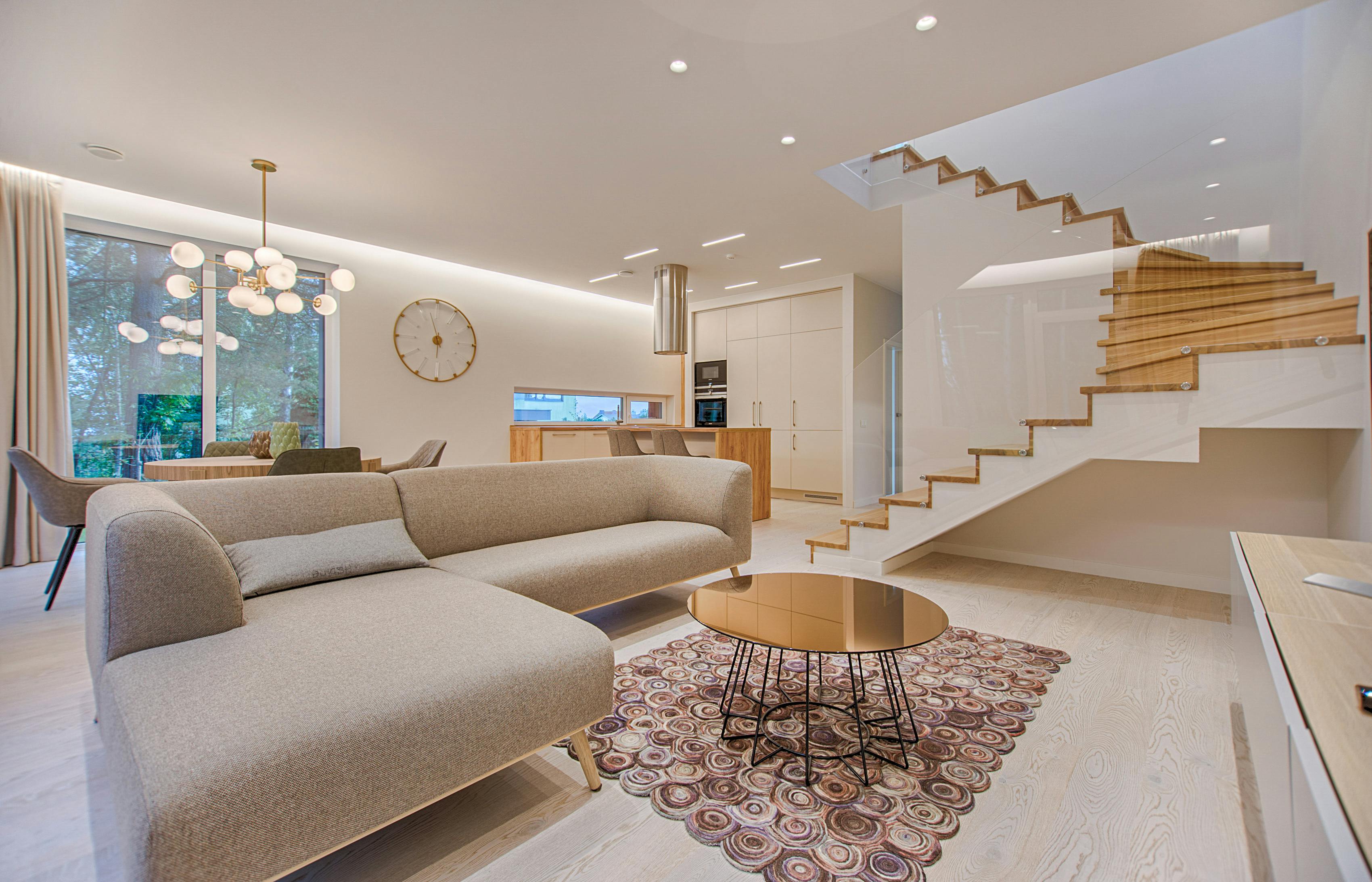
Student accommodation in the UK is the single largest expense for most university students — often consuming 50–70% of the maintenance loan before any food, transport, or course materials are purchased. Learning how to save money on student accommodation is therefore the highest-leverage financial skill a student can develop before and during university. This guide covers eight proven ways to save money on student accommodation in the UK in 2026, from timing your search correctly to negotiating directly with landlords.
Why Student Accommodation Costs So Much
Table of Contents
Supply and demand imbalance: UK university towns have seen significant student population growth without proportional increases in purpose-built accommodation. In cities like Manchester, Bristol, and Leeds, purpose-built student accommodation (PBSA) occupancy rates consistently exceed 95% — giving operators pricing power that erodes every year. The result: average PBSA rents increased by approximately 9–11% annually between 2022 and 2026 in most major university cities.
The maintenance loan gap: The maximum 2025/26 England maintenance loan for students living away from home outside London is £10,227/year (£3,409/term). Average PBSA costs in major UK cities now range from £6,500 to £10,500 per academic year — meaning the maintenance loan covers accommodation costs only if you are at the lower end of the rent spectrum. Learning how to save money on student accommodation is therefore not optional for most students; it is financially necessary.
How to Save Money on Student Accommodation: 8 Proven Strategies
- 1. Book in January–February for the following September. The cheapest PBSA rooms are released 7–9 months before the academic year starts. Students who save money on student accommodation by booking early secure rooms that are 15–20% cheaper than equivalent options booked in May–June. Set reminders immediately after finishing January exams.
- 2. Choose catered halls strategically. Catered accommodation appears expensive at face value but includes 2–3 meals per day. When you calculate net food spend separately, catered halls often cost the same as or less than self-catered options once you account for realistic grocery and eating-out costs.
- 3. Opt for a standard room, not an en suite. En suite rooms in PBSA typically cost £25–£60/week more than shared-bathroom rooms. Over a 39-week academic year, that difference ranges from £975 to £2,340 — a meaningful amount to save on student accommodation.
- 4. Move into private renting from year 2. University halls are most cost-effective in year 1. From year 2, shared private rental properties almost always offer lower per-person costs — typically £80–£150/person/week in most UK university towns outside London, versus £130–£230 for PBSA.
- 5. Form a house group of 5–6, not 3–4. Private rental costs are divided per head. A 6-bedroom house at £2,000/month costs £333/person — the same property shared between 3 costs £667/person. Size of house group is one of the most direct ways to save money on student accommodation in the private rented sector.
- 6. Negotiate directly with private landlords. Letting agents rarely negotiate. Private landlords often will — particularly if you offer a longer tenancy (14–24 months rather than 12), can pay multiple months upfront, or can demonstrate you are a reliable tenant through a character reference from your personal tutor. A 5% rent reduction on a £600/month room saves £360/year.
- 7. Check university hardship funds and accommodation bursaries. Most universities have an emergency hardship fund and, separately, accommodation bursaries for students from lower-income households. These are under-claimed — Student Finance data suggests roughly 40% of eligible students never apply. Your student services office can confirm eligibility thresholds.
- 8. Consider living at home for year 1. The most drastic way to save money on student accommodation is to study at a university within commuting distance of your family home. The maintenance loan for students living at home is lower (max £8,877 in 2025/26 for England outside London) — but the absence of rent entirely can save £6,000–£10,000 per year, fundamentally changing your financial trajectory through university.
📩 Get our free Student Investor Checklist — 10 steps before you invest your first £100. Download free →
Private Renting vs University Halls: Real Cost Comparison
| Accommodation Type | Typical Weekly Cost | 39-Week Academic Year Cost | Key Variable |
|---|---|---|---|
| PBSA (en suite) | £160–£230 | £6,240–£8,970 | Location, city |
| PBSA (shared bathroom) | £120–£175 | £4,680–£6,825 | Distance from campus |
| Private rent (shared house, 4 people) | £90–£140 | £3,510–£5,460 | House size, city |
| Private rent (shared house, 6 people) | £70–£110 | £2,730–£4,290 | House condition, contract |
| Living at home (commuting) | £0–£30 (travel) | £0–£1,170 | Distance from university |
Risks of Cutting Accommodation Costs Too Far
Poor housing quality affects academic performance. Students who save money on student accommodation by choosing the cheapest available private accommodation sometimes face damp, poor heating, or pest problems. Substandard housing has documented negative effects on physical health and study outcomes. The cheapest room is not always the best financial decision when total cost — including health, commute time, and wellbeing — is included.
Unreliable landlords carry contractual risk. Private landlords who are not members of a recognised landlord association (NRLA) may not return deposits promptly, may fail to address maintenance issues, or may serve invalid notices. Always check that your deposit is protected in a government-approved scheme (TDS, DPS, or mydeposits) under the Housing Act 2004. This requirement applies regardless of how cheap the rent is.
Long commutes erode time value. Students who save money on student accommodation by living further from campus often underestimate the opportunity cost of commuting. A 45-minute daily commute represents approximately 6 hours/week or 234 hours/academic year — equivalent to nearly 10 full days of study time lost annually.
Real Calculation: How Much You Can Save
Scenario: A student at a non-London UK university chooses a shared bathroom PBSA room (£155/week) instead of an en suite room (£190/week) and moves into a 5-person private rental from year 2 (£100/week) instead of renewing PBSA (£165/week).
Year 1 saving: £190 − £155 = £35/week × 39 weeks = £1,365 saved on student accommodation in year 1 alone.
Year 2–3 saving: £165 − £100 = £65/week × 39 weeks × 2 years = £5,070 saved on student accommodation across years 2 and 3.
Total 3-year saving: £6,435 — enough to cover approximately 6 months of living expenses, or to enter the graduate job market with meaningful savings rather than debt.
📊 Analyst Note: The accommodation decision is the single highest-value financial choice most students make. A £6,000+ saving over three years dwarfs the benefit of cutting back on coffee or switching supermarkets. Prioritise this category above all others when optimising your student budget.
FAQs: How to Save Money on Student Accommodation UK
Is it cheaper to live in student halls or private renting? Private renting is almost always cheaper from year 2, particularly in shared houses of 4–6 people. University halls are typically more expensive per week but include bills and have no deposit risk. For year 1, halls offer better value when you factor in the hassle-free setup.
How much should a student spend on accommodation per month? A general rule is to keep accommodation below 40% of your total monthly income (maintenance loan + any earnings). For a student on £1,000/month total, that means £400/month maximum — achievable in most UK cities outside London with a shared private rental. See our best budgeting apps for students UK guide to track spending automatically.
Can I negotiate rent with a student landlord? Yes — particularly with private landlords. The most effective negotiation levers are: offering a longer tenancy, paying 2–3 months upfront, providing a strong reference, and applying early before the landlord becomes desperate to fill the room. Letting agents rarely have discretion to negotiate — go direct where possible.
Conclusion
To save money on student accommodation, prioritise decisions in this order: book early, choose shared bathroom over en suite in year 1, move to private renting in year 2, and maximise your house group size. The cumulative saving across three years can exceed £6,000 — a genuinely transformative amount at this stage of your financial life. For the full picture of student budgeting, see our best budgeting apps for students UK review and our guide on best student side hustles UK to build income alongside cutting costs.
A simple physical tracker also helps: if spreadsheets and apps don’t stick, a dedicated notebook like the Clever Fox Budget Planner gives you a monthly layout built specifically for tracking rent, bills, and everyday spend side by side — useful for spotting exactly where accommodation costs are eating into your loan before the term is half over.
Maintenance loan figures are based on 2025/26 Student Finance England rates. Rent ranges are indicative and vary significantly by location. This guide is for general information only and does not constitute financial or legal advice. Always verify deposit protection via a government-approved scheme. See gov.uk for current student finance rates.
🏠 Know your rights: Student accommodation in the UK is regulated under tenancy law. Shelter UK’s student housing rights guide explains deposit protection, repair obligations, and how to challenge unfair charges.
📖 Also read: Cheapest Student Utilities UK 2026
Related Reading: Rent Student House UK 2026: Your Complete Financial Checklist