
Quick Answer
Klarna and Clearpay both let UK students split purchases into instalments — but they differ on fees, credit checks, and missed-payment penalties. This guide compares both services using FCA guidance to help you decide which, if either, is appropriate for your spending habits.
Regulatory Transparency & Disclosure: Student Invest Guide is an independent financial commentary platform. This article may contain affiliate links which support the site at no additional cost to the user.
Table of Contents
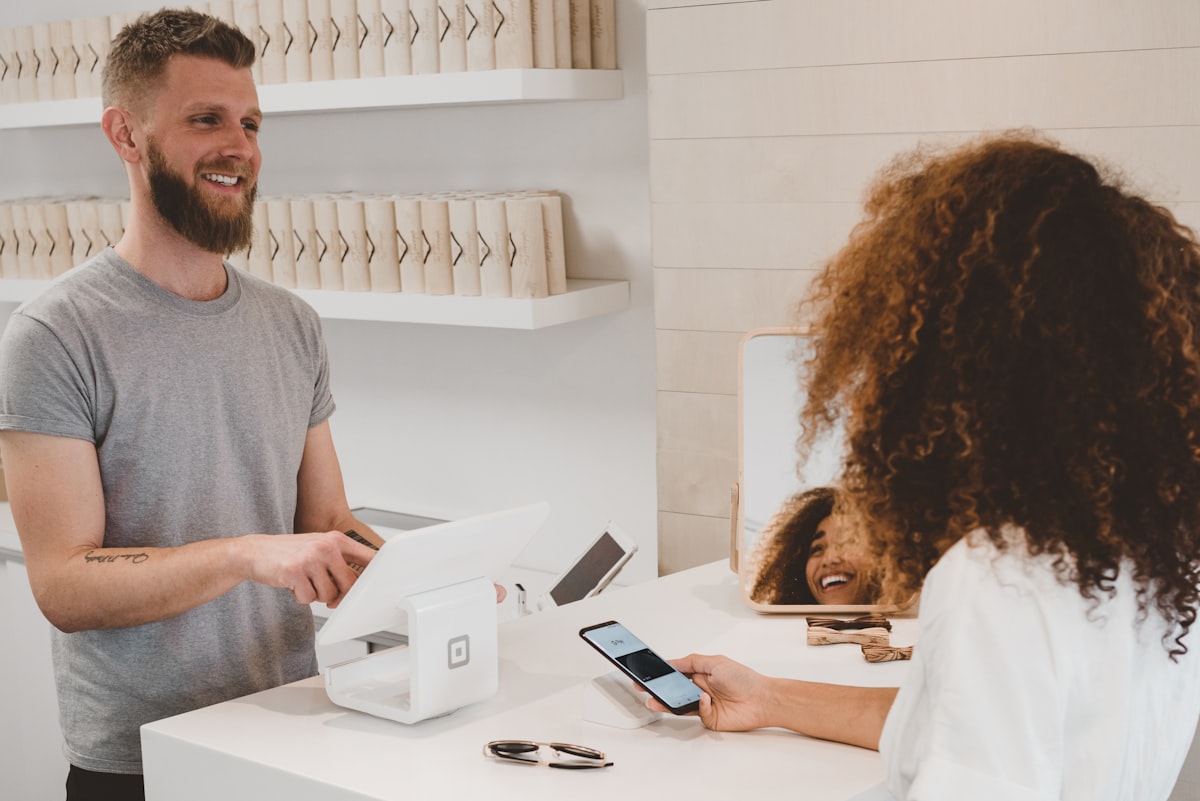
Buy Now Pay Later (BNPL) has exploded in popularity among UK students. Klarna and Clearpay are now accepted at thousands of retailers — from ASOS to JD Sports to H&M.
Last reviewed and updated: June 2026.
The pitch is simple: get what you want now, pay later with no interest. Sounds great. But is it actually a good idea for students? And what’s the difference between Klarna and Clearpay?
This guide gives you the full picture — including the risks that the apps won’t tell you about.
What Is Buy Now Pay Later?
Buy Now Pay Later lets you receive a product immediately and pay for it in instalments — usually over 6–8 weeks. Most BNPL products charge no interest if you pay on time.
The most popular BNPL providers in the UK are:
- Klarna — the biggest globally, used at 500,000+ retailers
- Clearpay — popular in fashion, owned by Block (formerly Square)
- Laybuy — less common, similar model
- PayPal Pay in 3 — built into PayPal checkout
Klarna — How It Works
Klarna offers several payment options depending on the retailer:
Pay in 3
- Split your purchase into 3 equal payments
- First payment taken immediately
- Payments 2 and 3 taken 30 and 60 days later
- No interest if paid on time
- Late fee: Up to £5 per missed payment
Pay in 30
- Pay nothing now
- Full payment due 30 days later
- No interest if paid on time
- Useful for trying clothes before committing
Klarna Financing (6–36 months)
- Longer-term credit option
- Interest charged (typically 18.99–29.99% APR)
- This is a credit agreement — appears on your credit file
Clearpay — How It Works
Clearpay is simpler — one product, one model:
Pay in 4
- Split into 4 equal fortnightly payments
- First payment taken immediately
- Remaining 3 payments every 2 weeks
- No interest ever
- Late fee: £6 per missed payment, capped at 25% of order value
Clearpay doesn’t offer longer-term financing — it’s purely the 4-payment model.
Klarna vs Clearpay — Key Differences
| Feature | Klarna | Clearpay |
|---|---|---|
| Payment options | Pay in 3, Pay in 30, Financing | Pay in 4 only |
| Interest | No (except financing) | Never |
| Late fee | Up to £5 | £6 (capped at 25%) |
| Repayment period | 30–60 days (or longer) | 6 weeks |
| Credit check | Soft check | Soft check |
| Credit file impact | Yes (financing/missed payments) | Yes (missed payments) |
| Retailers | 500,000+ | 15,000+ |
| App | Klarna app + shopping | Clearpay app |
Does BNPL Affect Your Credit Score?
This is the question most students don’t ask — and it matters.
Soft credit checks (used by both Klarna and Clearpay for Pay in 3/4) don’t affect your credit score and aren’t visible to other lenders.
However:
- Missed or late payments are reported to credit agencies and will damage your credit score
- Klarna financing (6+ months) involves a hard credit check and appears on your credit file
- Multiple BNPL accounts could signal financial stress to future lenders (mortgage applications, car finance, etc.)
As a student building credit, a missed BNPL payment could be more damaging than you’d expect — especially if you later apply for a graduate mortgage.
The Hidden Risks of BNPL for Students
1. It’s easy to overspend
Splitting a £120 order into 3 payments of £40 feels much more manageable. But if you do this across 5 retailers, you suddenly have £200 in BNPL debt coming out over the next 6 weeks — and it’s easy to lose track.
2. Refunds can get complicated
If you return an item, the refund process with BNPL can be slower and more complicated than a standard purchase. You may still have payments taken while awaiting a refund.
3. Late fees add up
Miss a Clearpay payment and you owe £6. Miss it on multiple orders and it compounds quickly. On a tight student budget, this can spiral.
4. It’s not regulated like a credit card
Until recently, BNPL wasn’t regulated by the FCA at all. Regulation is now being introduced — but consumer protections are still weaker than with a credit card.
📩 Get our free Student Investor Checklist — 10 steps before you invest your first £100.
5. It can affect mortgage applications
Some mortgage lenders view heavy BNPL use as a risk indicator, even if you’ve never missed a payment. If you’re planning to buy a house in the next few years, keep BNPL use minimal.
When BNPL Is Actually Fine
Not all BNPL use is reckless. It can make sense when:
- You have the money already but want to smooth cash flow across the month
- You’re buying something and want to try it before committing (Klarna’s Pay in 30)
- You’re making a one-off large purchase you can genuinely afford but want to split across two months
The key: only use BNPL for purchases you’d make anyway, with money you already have.
BNPL vs Credit Card — Which Is Better for Students?
| BNPL (Klarna/Clearpay) | Student Credit Card | |
|---|---|---|
| Interest | None (if on time) | 0% on purchases (some cards) |
| Credit building | No (unless you miss payments) | Yes — builds credit history |
| Section 75 protection | No | Yes — purchases over £100 protected |
| Spending limit | Set per transaction | Set credit limit |
| Risk of overspending | High (feels “free”) | Medium |
Section 75 is a major benefit of credit cards that BNPL doesn’t offer. If you buy something over £100 with a credit card and the retailer doesn’t deliver or goes bust, your credit card company must refund you. BNPL has no equivalent protection.
👉 See: Best Credit Cards for Students UK 2026
Should Students Use Klarna or Clearpay?
Use it if:
- You’re buying something you can definitely afford
- You’d prefer to split the payment for cash flow reasons
- You’re using Pay in 30 to try before you commit
- You’re disciplined enough to track what’s due when
Avoid it if:
- You’re already stretched financially
- You’re using it to buy things you couldn’t otherwise afford
- You have multiple BNPL balances running at once
- You’re planning a mortgage application in the next 2–3 years
Tips for Using BNPL Safely as a Student
- Only use one provider at a time — don’t have both Klarna and Clearpay running simultaneously
- Keep a note of what’s due and when — the apps help but set calendar reminders too
- Never use financing options — the interest rates (18–29% APR) are as bad as a credit card, without the protections
- Pay off early if you can — both platforms allow early repayment
- Set a monthly BNPL limit — e.g. no more than £50 of BNPL debt at any time
Klarna vs Clearpay — Which Is Better?
Choose Klarna if:
- You want the flexibility of Pay in 30 (try before you pay)
- You shop at a wider range of retailers
- You want an app that also works as a shopping discovery tool
Choose Clearpay if:
- You prefer simplicity (one product, one model)
- You shop mainly in fashion/lifestyle retail
- You want no risk of accidentally signing up for a financed product
Honest verdict: For most students, both are fine in moderation. Klarna’s Pay in 30 is genuinely useful for expensive clothes you might return. Clearpay’s fortnightly structure helps spread costs.
Neither should replace proper budgeting — and if you’re struggling with money, these apps make it easy to dig a hole.
Better Alternatives for Students
If you’re using BNPL to stretch your budget, there are better options:
- Student overdraft — many banks offer 0% interest overdrafts for students (see Best Student Bank Accounts)
- Student credit card — builds credit history and offers Section 75 protection
- Budgeting apps — track spending so you know what you can actually afford (see Best Budgeting Apps for Students)
- Side hustles — more income solves the problem at the root (see How to Make Money as a Student)
Final Verdict
BNPL isn’t inherently bad — but it’s designed to make spending feel painless, which is a problem when you’re on a student budget.
Klarna vs Clearpay: Both are similar. Klarna has more flexibility; Clearpay is simpler. Neither is a financial product you should rely on.
Use them occasionally, track what you owe, and never use the financed options. Done carefully, BNPL is a convenience tool. Done carelessly, it’s a debt trap.
Information accurate as of June 2026. BNPL regulation is evolving — check the FCA website for the latest consumer protections.
📚 Related Reading
- Best Student Bank Accounts UK 2026 — fee-free accounts to manage your money without BNPL risk
- Best Budgeting Apps for Students UK 2026 — track spending across Klarna, Clearpay, and every account in one place
- How to Pay Off Student Debt UK — understanding how BNPL interacts with your overall debt picture
- Santander 123 Student Account Review UK 2026: Is the Free Railcard Worth It?
Frequently Asked Questions
Does Klarna affect your credit score UK?
Since 2025, missed Klarna payments are reported to UK credit reference agencies under updated FCA rules. Klarna’s initial eligibility check uses a soft search only (not visible to lenders). On-time payments may also be recorded positively. Clearpay operates similarly under FCA regulation.
Is Klarna or Clearpay better for students?
Neither is ideal as a regular spending tool. If you must use BNPL, Klarna’s Pay in 3 offers slightly more flexibility than Clearpay’s fixed 6-week schedule. For most students, a fee-free debit account such as Monzo is a safer default — no credit exposure, no late payment risk.
Can UK students use Klarna or Clearpay?
Yes. Both services are available to UK residents aged 18+. You need a UK bank account and pass a soft affordability check. There is no minimum income requirement, though approval amounts are typically lower for applicants with limited credit history.
Analyst Note — June 2026: Klarna and Clearpay are regulated by the FCA as credit providers under the Consumer Credit Act. Students should note that missed BNPL repayments can affect credit scores from 2025 under updated FCA reporting rules. As a zero-interest alternative, Monzo offers a fee-free student current account with built-in spending controls. Verify any credit provider’s authorisation at the FCA Financial Services Register.
Related Reading
Student Loan Repayment Thresholds UK 2026-27: Plan 1, 2, 4 and 5 Explained