
Quick Answer
UK students who buy textbooks new spend £400–600 per year. Using your university library correctly, requesting older editions from lecturers, buying from AbeBooks or Amazon second-hand, and accessing OpenStax free textbooks reduces this to under £100. This guide covers 12 specific methods with realistic savings calculations — the mixed strategy saves approximately £470 per year.
Regulatory Transparency & Disclosure: Student Invest Guide is an independent financial commentary platform. This article may contain affiliate links which support the site at no additional cost to the user.
Table of Contents
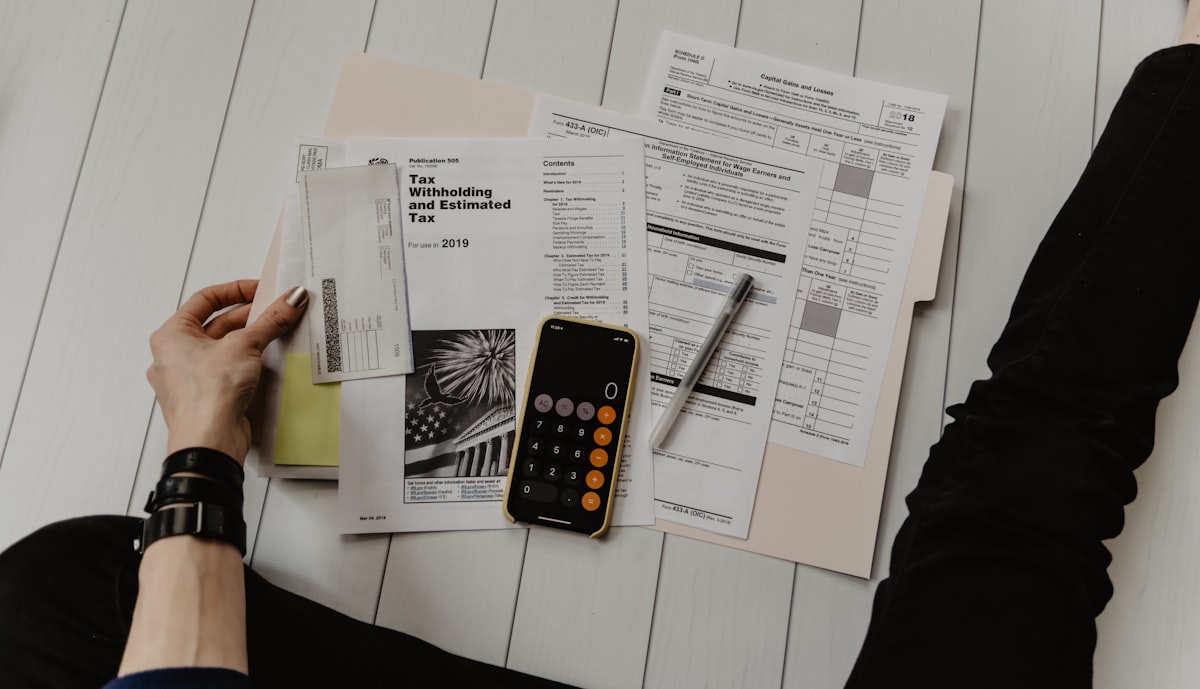
How Much Do UK Students Spend on Textbooks?
The fastest way to save money on textbooks at UK universities is to never buy new from your university bookshop — and yet the average UK undergraduate spends £300–600 per year on course materials at full retail price, often purchasing books they open twice. This article covers 12 proven methods UK students use to dramatically reduce this cost, including legal free PDF sources, second-hand marketplaces, library strategies, and subscription services — with realistic savings calculations throughout.
UK first-year students who buy all required reading new from campus bookshops typically spend £400–600 in their first term before discovering the alternatives. Students who use the strategies below from the start spend £50–150 for equivalent access to the same material. The difference — £250–450 per year — is material for students managing on a maintenance loan.
12 Proven Ways to Save Money on Textbooks at UK Universities
1. Use Your University Library First (and Use It Properly)
Every reading list book is available at your university library — the question is whether it is available when you need it. The library strategy that works: go to the library in the first two days of term (before the queue forms), borrow the key texts for your first three weeks of reading, and renew digitally. Most university libraries allow 3–6 renewals per item. For high-demand texts, request that the library purchase additional copies (they do this routinely) or request a reservation on a copy already checked out. Cost: £0.
2. Access Your University’s Online Library and ebook Subscriptions
Most UK universities subscribe to JSTOR, EBSCOhost, ProQuest, Emerald Insight, and publisher platforms (Springer, Wiley, Sage). Many required textbooks have full digital versions accessible through these databases using your university login — including newer editions. Log into your library portal, search the textbook by ISBN, and check all available formats before assuming you need to buy a copy. Cost: £0 — already included in your tuition fees.
3. Buy Second-Hand from Previous Year Students
Your university’s Facebook group, Depop, and your Students’ Union noticeboard are the cheapest sources of second-hand textbooks from students who completed your module last year. A £60 new textbook typically sells for £10–20 second-hand in its first year and £5–10 in year two. The edition gap is rarely an issue for core foundational texts — a second-hand 2021 edition of an introductory economics or law textbook covers 90% of the same material as the 2024 edition. Typical saving: 70–85% versus new price.
4. AbeBooks for Low-Cost Second-Hand and International Editions
AbeBooks (owned by Amazon) aggregates second-hand bookshops globally. International editions of UK textbooks — typically printed for the US, Indian, or South Asian market — are legally identical in content to UK editions for most foundational texts, available at 20–30% of the UK retail price. A textbook sold new in the UK for £65 is frequently available as an international edition on AbeBooks for £8–15 delivered. Verify that the edition covers the same content (same chapters, same page numbers) before purchasing. Typical saving: 75–90% on international editions.
5. Amazon Second-Hand (Fulfilled by Marketplace Sellers)
Amazon’s marketplace section (below the “new” listing on any product page) includes third-party second-hand sellers. “Good” and “Very Good” condition textbooks are typically identical in usability to new. Search your required ISBN on Amazon UK, scroll past the new listing to the Used options, and filter by “Good” condition or better. UK sellers ship within 1–3 days, avoiding the wait of international suppliers. Typical saving: 40–70% versus new.
6. Chegg for Textbook Rentals
Chegg rents physical textbooks for a semester (typically 60–90 days). Renting a £70 textbook for one semester costs approximately £20–30 via Chegg — and you return it at the end of term with no obligation to buy. This is particularly cost-effective for textbooks you will use intensively in one term but never again (foundation modules, non-core electives). Note: Chegg’s availability for UK shipping varies by title. Always check the return policy and shipping cost to your UK address before renting.
7. Google Books and Publisher Preview Chapters
Google Books provides free preview access to significant portions of most published textbooks — typically 30–50% of content, including introductory chapters, key chapters, and index pages. For textbooks you only need partially (a specific chapter for a seminar reading, a reference section for an essay), Google Books preview often covers what you need without requiring a purchase. Publisher websites (Pearson, Oxford University Press, Routledge) also offer free chapter downloads for review purposes — worth checking before purchasing. Cost: £0.
8. Open Textbook Library and OpenStax (for STEM and Economics)
OpenStax and the Open Textbook Library publish peer-reviewed, openly licensed textbooks that can be downloaded free in PDF format. Coverage is strongest in STEM subjects, Economics, Psychology, and US Law — less applicable for UK-specific law, humanities, or postgraduate subjects. If your module reading list includes a foundational text (introductory calculus, introductory economics, principles of biology), check OpenStax before purchasing — the equivalent open textbook may be identical in content to your lecturer’s recommendation. Cost: £0.
9. Z-Library and Similar Repositories — Legal Clarity
Z-Library and similar repositories provide access to digital copies of published books. The legal position in the UK is clear: downloading a copyrighted textbook without purchasing it or accessing it via a licensed channel is copyright infringement under the Copyright, Designs and Patents Act 1988. Student Invest Guide does not recommend using these services. This section exists to acknowledge them and to be clear about the legal position. Use the legal alternatives above — library ebook access, publisher free chapters, and OpenStax — which collectively cover a significant proportion of reading list requirements at zero cost.
10. Facebook Groups and WhatsApp Chains for Module-Specific Textbooks
Year group Facebook groups and module-specific WhatsApp chats often have informal textbook sharing arrangements — students who have completed a module sell or lend textbooks directly to next-year students. This is the fastest route to the right textbook at the lowest price because the seller knows exactly which edition the lecturer uses and can confirm which chapters are actually needed. Post in your university year group before purchasing any required text. Cost: typically £5–15 per book.
11. Request Older Editions and Verify Content Equivalence with Your Lecturer
Lecturers almost always specify the most recent edition of a textbook on reading lists — but for foundational subjects, the substantive content has not changed between editions. The difference between the 2020 and 2024 edition of an introductory marketing or accounting textbook is typically a revised case study and updated statistics, not new conceptual content. Email your module convener before term starts and ask directly whether the previous edition is suitable for course requirements. Most will confirm it is. A 2020 edition selling for £5 second-hand on AbeBooks versus £70 new for the 2024 edition represents a £65 saving on one book. Typical saving: £50–65 per text.
12. Share Costs with Flatmates on Shared Modules
For core modules taken by all students in a programme year, purchasing one copy between two or three flatmates on the same course halves or thirds the cost with minimal access friction. A £60 textbook shared between three students on the same course costs £20 each — with a reading schedule coordinated around essay deadlines. Most students who do this report that the coordination overhead is minimal and the saving is real. Cost: 50–67% reduction on shared texts.
Textbook Savings Calculator: A UK Student’s Annual Spend
| Approach | Books Per Year | Average Cost Per Book | Annual Spend |
|---|---|---|---|
| Full retail (university bookshop) | 10 | £55 | £550 |
| Amazon second-hand (Good condition) | 10 | £18 | £180 |
| AbeBooks international edition | 10 | £12 | £120 |
| Mix: library + second-hand + older editions | 10 | £8 | £80 |
| Library + OpenStax + free chapters only | 10 | £0 | £0 |
A student who moves from full retail to the mixed strategy (library + second-hand + older editions) saves approximately £470/year — equivalent to around 5 weeks of food spending at the average UK student grocery budget.
📩 Get our free Student Investor Checklist — 10 steps before you invest your first £100. Download free →
The highest-leverage textbook saving action for a UK student is the email to the module convener asking whether last year’s edition is acceptable. It takes 90 seconds to send and produces a binary answer. If the answer is yes — and it is yes the majority of the time for foundational subjects — the saving is typically £40–65 on a single book. Multiplied across 10 required texts per year, this single habit shift is worth £200–400 annually to the student who applies it consistently.
Analyst Note
Frequently Asked Questions
Are international edition textbooks legal to use in the UK?
Purchasing and using an international edition of a textbook in the UK is generally legal. International editions are produced by publishers for specific markets (typically US, South Asia) and are sold at lower price points in those markets. Importing them for personal use is legal under UK law. The content is typically identical to the UK edition, though pagination, ISBN, and cover design may differ. Some publishers include “for sale in [region] only” notices — these are contractual restrictions on the seller, not criminal prohibitions on the buyer. Always verify that your edition covers the same content and chapter structure as your module reading list specifies.
What is the cheapest way to get textbooks at UK universities?
The cheapest method is combining your university library (free), OpenStax/Open Textbook Library (free for applicable STEM and social science subjects), and free Google Books preview chapters (free for partial access). Where these don’t cover a required text, AbeBooks international editions (£8–15) and Facebook/WhatsApp peer sales (£5–15) are the lowest-cost paid options. A student who applies all available free methods first and only buys second-hand where necessary can cover a full year’s reading requirements for under £100 — versus £400–600 buying new.
Can I use an older edition of a textbook for my UK degree?
In most cases, yes — with confirmation from your lecturer. For foundational textbooks in law, accounting, economics, marketing, psychology, and most sciences, the conceptual content changes minimally between editions. The differences are typically updated case studies, revised statistics, and reordered chapter sequences. Email your module convener before term and ask specifically whether last year’s (or the previous) edition is suitable. For modules where the subject matter changes rapidly — tax law (HMRC rules update annually), clinical medicine, or current affairs — a more recent edition may genuinely be necessary. For all others, the older edition is almost always acceptable.
Conclusion
UK students who use all 12 strategies above can reduce their annual textbook spend from £400–600 to under £100 — a saving of £300–500 per year without sacrificing access to required course materials. The most impactful single action is using your university library properly from Day 1 of term, before the queue for high-demand texts forms. The second most impactful is the 90-second email to your module convener asking whether an older edition is acceptable. Together, these two steps alone eliminate the majority of textbook spend for the average UK undergraduate. For more strategies to reduce your student cost of living, see our guides to best budgeting apps for students UK 2026 and the average cost of university living in the UK 2026.
📋 Student rights: For guidance on student grants and bursaries, visit GOV.UK Student Finance.